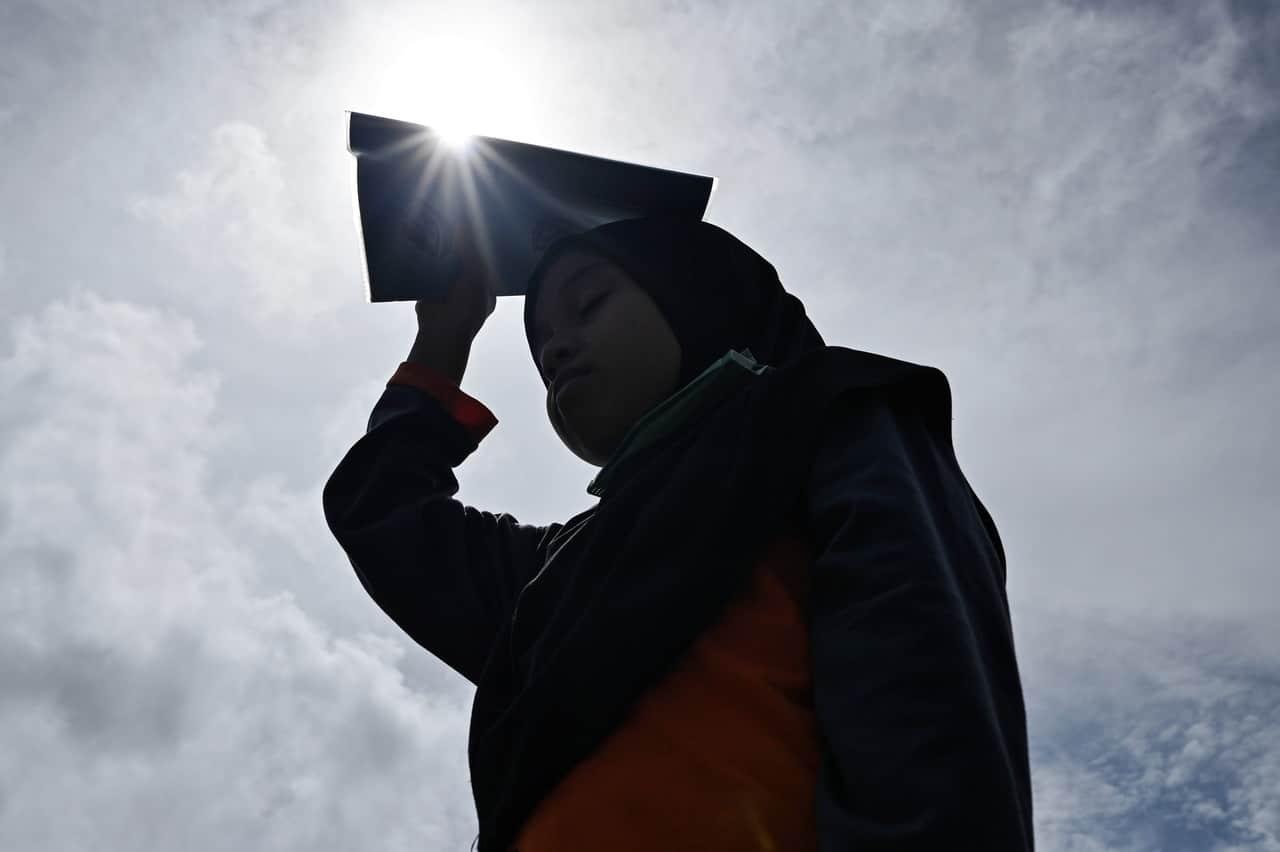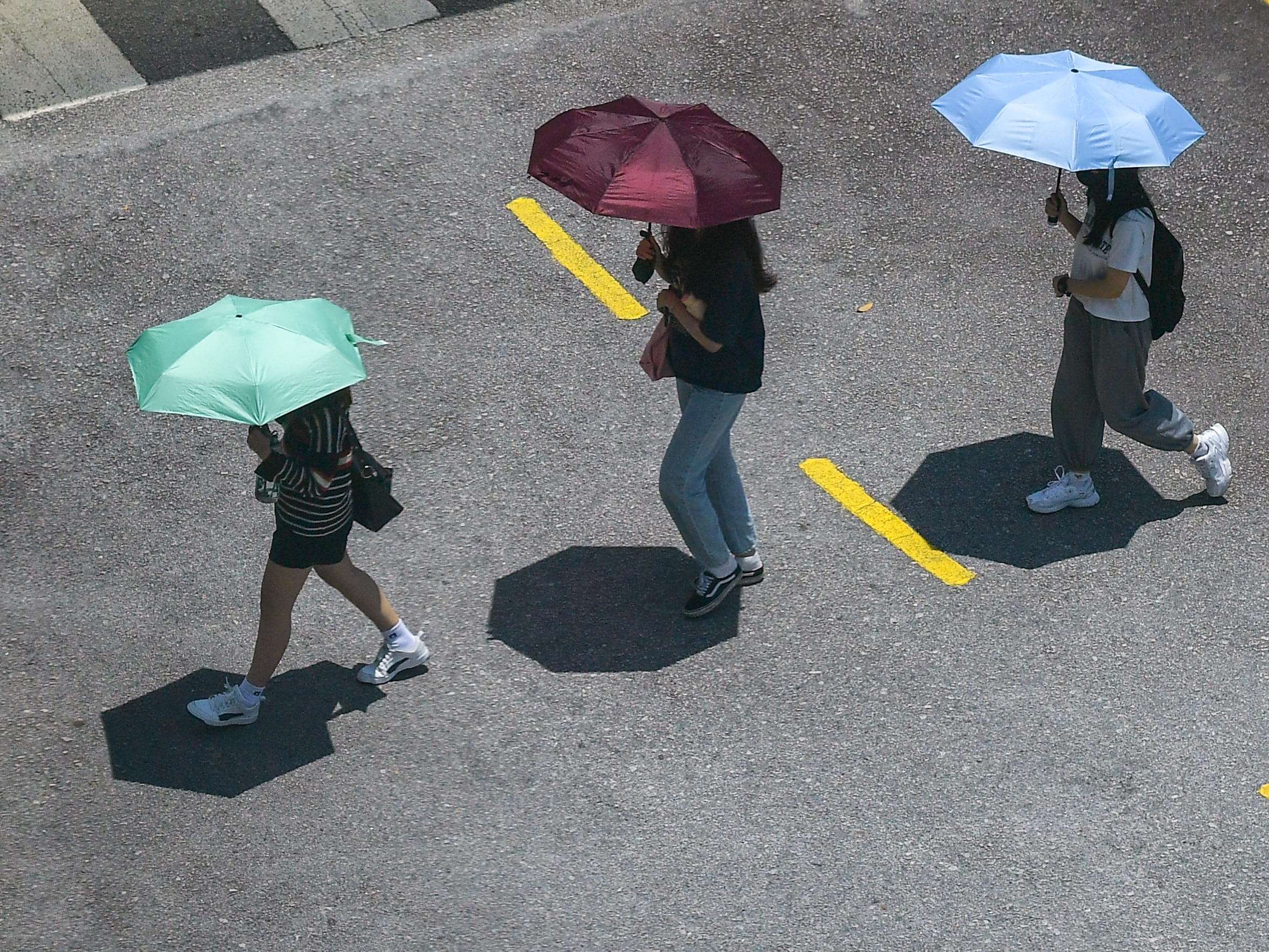

SHAH ALAM, March 24 — The risk of heat-related illnesses and dehydration is expected to rise amid the current extreme heat, with the public advised to be more aware of early warning signs and take preventive measures.
Ampang Puteri Specialist Hospital's Emergency Department Head Associate Professor (Consultant) Dr Shahrul Nizam Ahmad Zamzali said current temperatures have reached between 35°C and 37°C, with some areas recording as high as 40°C.
“There has been an increase in temperatures, and we are indeed seeing conditions that are hotter than usual, with some places reaching up to 40°C,” he told Media Selangor.
This situation could lead to two main health issues: heat-related illnesses and dehydration, or a lack of fluids in the body.
Dr Shahrul added that symptoms to note include severe headaches, excessive sweating or lack of sweating, and high body temperature.
“Other danger signs include a reduced level of consciousness, such as confusion or unusual speech, as well as vomiting and diarrhoea,” he said.
High-risk groups include the elderly aged over 65, children under five, patients with heart disease and diabetes, individuals with mental health conditions, and those who work outdoors.
“These groups may be less able to adapt to hot weather, and this can place stress on vital organs in the body,” he said.
In this regard, Dr Shahrul advised the public to focus on two key aspects: prevention and monitoring, to reduce health risks.
From a prevention perspective, people are encouraged to ensure adequate water intake, stay in shaded areas, and avoid outdoor activities between 11am and 4pm.

“If possible, avoid outdoor activities between 11am and 4pm as this is when temperatures are at their highest. In addition, wearing light and breathable clothing is encouraged to help the body cool down,” he said.
In terms of monitoring, Dr Shahrul suggested observing urine colour as an indicator of hydration levels, as well as paying attention to signs of extreme fatigue and excessive sweating.
“Ensure that urine is not too concentrated or dark yellow, and if you experience fatigue, increase your water intake and get some rest,” he said.
The medical expert also reminded the public to seek immediate treatment at the nearest hospital or clinic if they experience symptoms related to hot weather.
“Hopefully, preventive measures and self-monitoring can help the public celebrate Hari Raya Aidilfitri in good health,” Dr Shahrul said.
Yesterday, the districts of Pendang, Pokok Sena, and Baling in Kedah experienced a Level Two heatwave, with daily maximum temperatures ranging from 37°C to 40°C.
The Malaysian Meteorological Department reported that 15 areas in Peninsular Malaysia are at Level One (alert) after recording daily maximum temperatures between 35°C and 37°C.
“This includes areas in Perlis, Kedah — namely Sik, Pokok Sena, Kubang Pasu, Langkawi Island, Kuala Muda, Kulim, and Bandar Baharu — as well as the Northeast and North districts of Penang.
“The same warning has been issued for Hulu Perak, Selama, Kinta, and Kuala Kangsar in Perak, as well as for Kuala Lumpur,” it said.